
Photography is where technology meets art.
To break the rules, we must first learn to master them.
Over the past few months, I have been writing about my experience of photographing Hokkaido, Japan. Each story began with a particular visual curiosity — colour, monochrome, the behaviour of light, or the unexpected ways in which a camera can transform a landscape.
With Vibrant Hokkaido, I explored how custom camera profiles could translate an imagined visual language into photographs. What began as an attempt to recreate the atmosphere I associated with Japanese films and anime gradually led me towards a deeper understanding of luminance and the subtle tonal relationships hidden within snow.
Vibrant Hokkaido

Several months before travelling to Hokkaido, I found myself doing something I had not originally planned.
Traditional Japan (Monochrome) took me in another direction. By removing colour, I discovered how form, texture, atmosphere and negative space could communicate a sense of timelessness.

Then came Silence in Three Movements, where I began noticing something I had not anticipated when I travelled to Hokkaido: landscapes that appeared to separate into distinct visual planes, almost as if multiple images had been arranged within a single frame.
Silence in Three Movements

I headed to Hokkaido, Japan, in February 2026 with two visual themes already shaping the journey in my mind: Vibrant Hokkaido and Traditional Japan. (post upcomingon Traditional Japan)
These were different experiments, but they shared a common starting point.
I was learning to understand not just what my camera could capture, but how its technology could influence the way I saw the world.
Somewhere along the way, however, another question began to emerge.
What happens when I stop thinking primarily about the technique and start thinking about the story telling?
That question is where Art of Seeing begins.
First, learn the rules
I have always been fascinated by the intersection of technology and art.
My background in technology has naturally influenced the way I approach photography. I enjoy understanding how things work, experimenting with settings, studying the behaviour of light and finding ways to make equipment perform according to a particular intention.
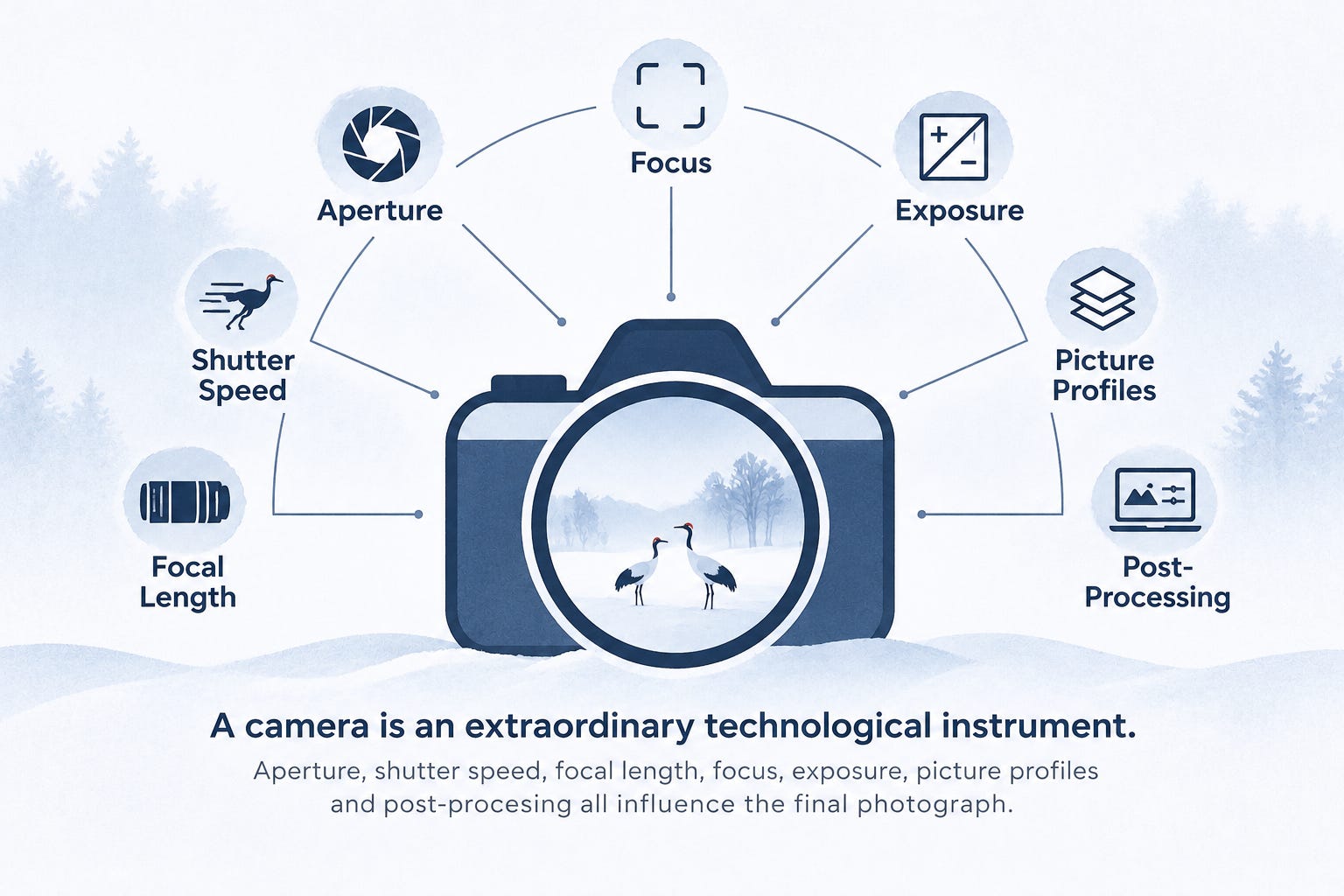
A camera is an extraordinary technological instrument. Aperture, shutter speed, focal length, focus, exposure, picture profiles and post-processing all influence the final outcome.
Understanding these fundamentals matters.
A shallow depth of field can isolate a subject. A long focal length can compress a landscape. A slower shutter speed can transform movement into a gesture. Exposure and tonal control can determine whether snow appears as a featureless white surface or a landscape filled with subtle patterns and depth.
These are not merely technical decisions. Each one changes how a photograph communicates.
For me, the first stage of learning photography was about understanding these possibilities and developing the ability to use them deliberately.
But mastering a technique is not the same as making a meaningful photograph.
Knowing how to create a blurred image does not explain why the blur should exist. Understanding exposure does not tell us what deserves to remain visible. Learning composition does not automatically reveal what a frame should make someone feel.
Technique gives us the vocabulary.
What we choose to say with it is another matter.

I am beginning to realise that the more comfortable I become with the technical side of photography, the more freedom I have to move beyond it.
Perhaps that is what it means to learn the rules before breaking them.
Not to abandon the rules, but to reach a point where they no longer dictate every decision.
When the subject is no longer enough
Wildlife photography often encourages us to pursue a familiar objective: find the subject, achieve focus, capture the behaviour and make the animal stand out against its surroundings.
There is nothing wrong with this. A technically accomplished portrait of a wild animal can be beautiful, powerful and important.
But I have increasingly found myself drawn towards photographs in which the animal is not necessarily the only thing that matters.
Sometimes, it is the relationship between the subject and the landscape that interests me. Sometimes, it is the way light separates one form from another. At other times, it is an imperfect, fleeting gesture that could never be reproduced in a conventional portrait.
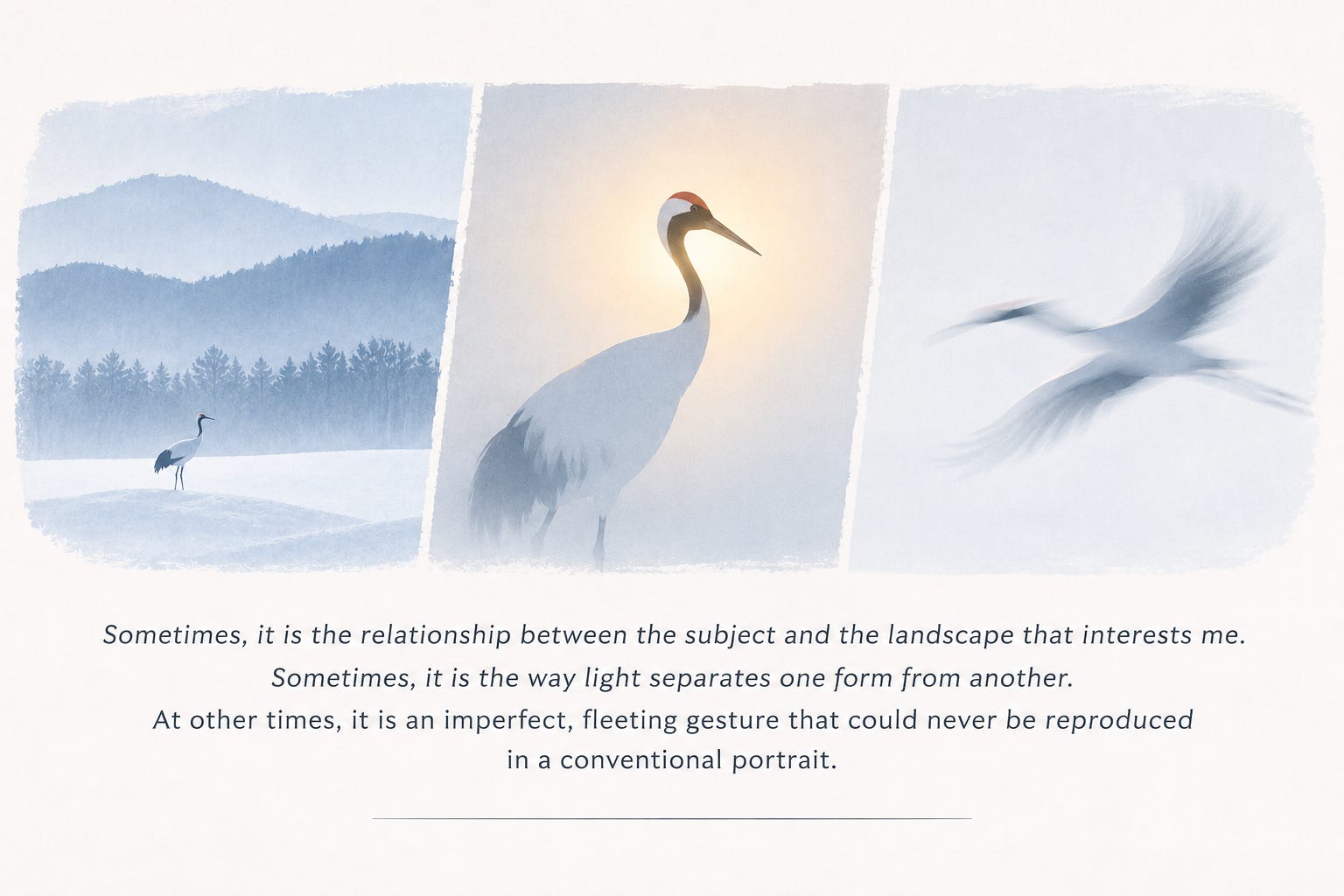
The subject remains important, but the photograph begins to mean something beyond its identity.
A bird can become a line within a composition.
A landscape can become a sequence of tones.
A moment of movement can become an abstract gesture.
And an apparently incomplete image can invite the viewer to participate in completing it.
These possibilities do not necessarily require elaborate manipulation or complicated equipment. Sometimes, they emerge simply by changing the way I look through the viewfinder.
The question gradually shifts from What am I photographing? → What is it about this moment that I want to communicate?
That shift has been particularly noticeable in the photographs I began making during my winter journey through Hokkaido.
Searching: discovering the image within the landscape
One of the most unexpected discoveries during the trip was how strongly a winter landscape could resemble an arrangement of separate visual layers.
Snowfields, belts of vegetation and distant woodland seemed to occupy distinct planes. Differences in tone, texture and atmosphere created boundaries that were not immediately obvious when looking at the physical landscape.
Through the camera, however, these relationships became remarkably pronounced.
I found myself looking at the scene differently. Rather than treating the landscape as a continuous environment, I began to see it as a composition of shapes, tonal regions and intervals.
The wildlife subject became part of this arrangement.
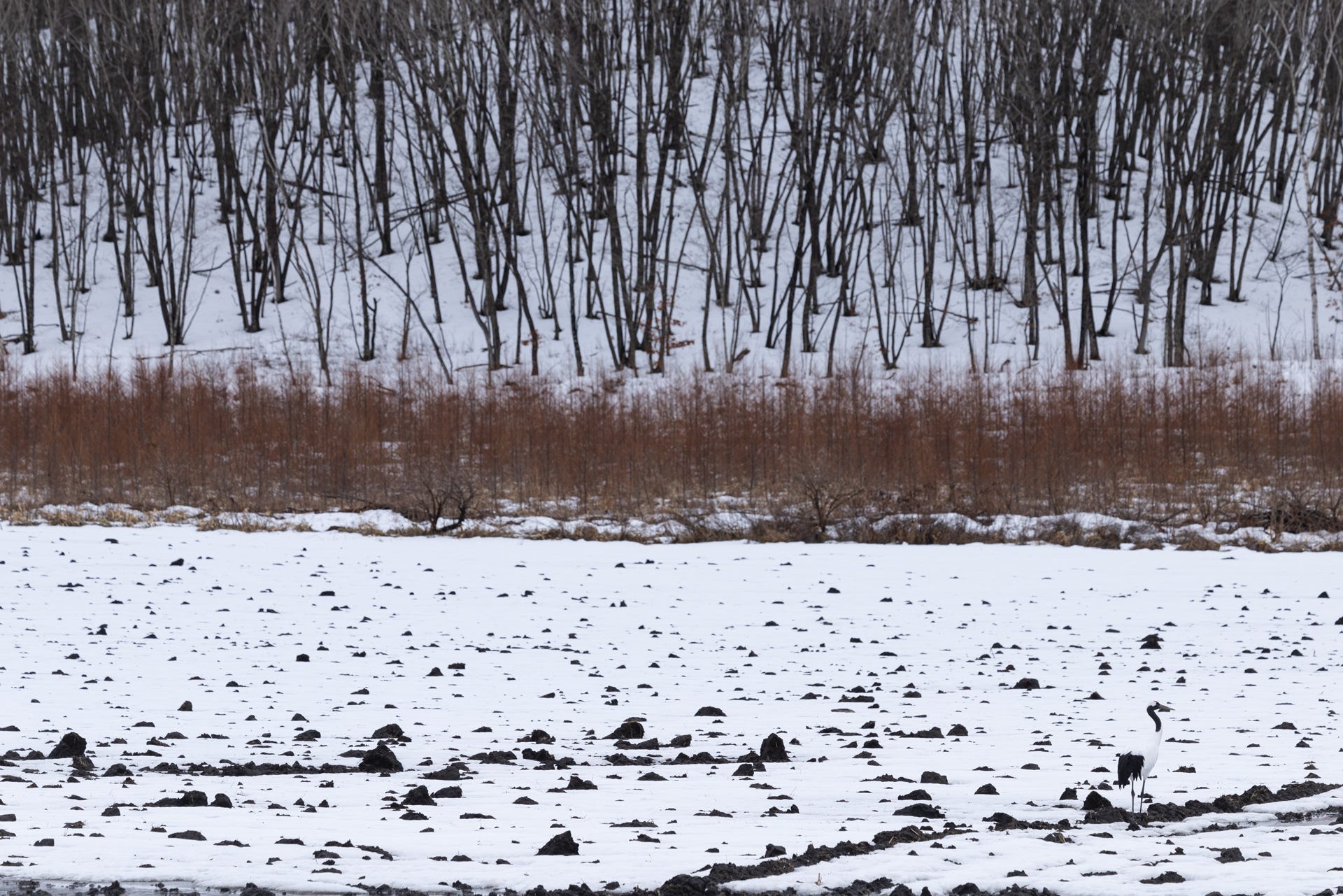
In Searching, a solitary crane occupies a distant ridge, surrounded by layers of winter woodland and snow. The bird is small within the frame, and that is precisely what makes the photograph interesting to me.
The landscape does not simply provide context for the animal. It determines how the animal is discovered.
The tonal transitions create the impression of three distinct visual planes, almost like separate images brought together within a single composition. The viewer’s attention moves across these layers before settling on the crane.
I did not set out to create an image about perception. I was initially interested in the landscape itself, however, the crane become merged made it further interesting.
Reviewing the photograph made me realise that the act of finding the subject had become part of the experience I wanted to convey.
The image asks for a little patience.
It rewards looking rather than merely glancing.
And that, for me, is an important distinction between documenting a subject and telling a story through it.
Reconstruction: allowing the viewer to participate
Another photograph emerged from a very different way of looking.
In Reconstruction, I approached the crane as though I were making an artistic study of its form rather than a conventional wildlife portrait.
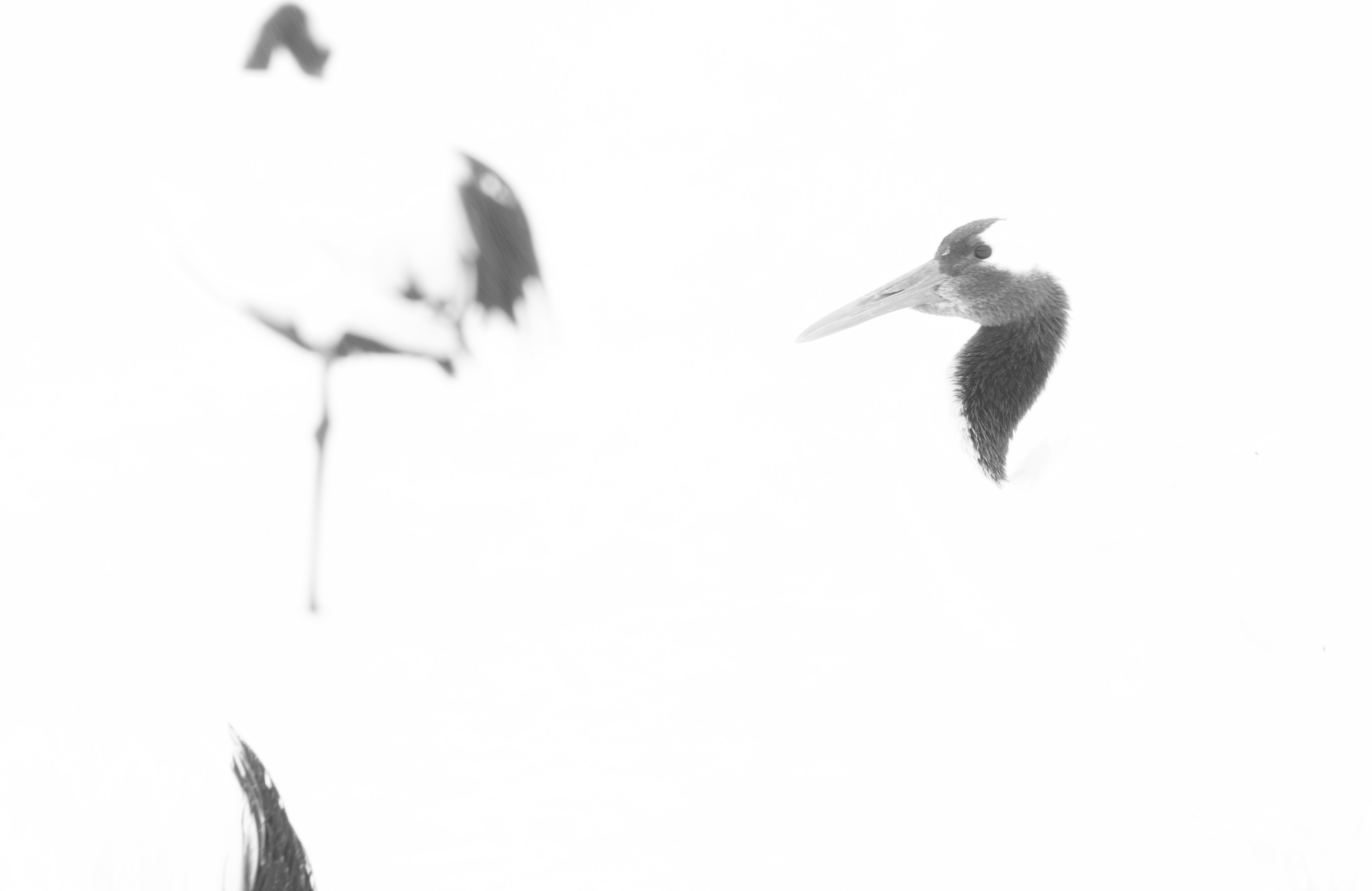
The head, body and other elements do not resolve into one immediately recognisable, unified figure. Instead, they occupy different areas of the frame, with generous white space separating them.
The image invites the viewer to assemble these fragments mentally.
I am particularly interested in how our minds respond to incomplete information. We instinctively search for patterns, establish relationships and attempt to make sense of what we see.
A conventional portrait presents the subject as a complete form.
Here, I wanted to explore what might happen if I gave different parts of that form their own visual importance, almost as if I were sketching a portrait through separate studies rather than drawing it in a single continuous gesture.
The result sits somewhere between wildlife photography and abstraction.
The crane is still recognisable, but recognition is no longer the only objective. The spaces between the forms become as important as the forms themselves.
This was not an attempt to correct reality or improve the subject through technology.
It was an attempt to reinterpret what I had seen.
And that distinction matters to me. Photography need not always be a literal representation of the world. It can also be an expression of how an individual experiences and understands it.
Between presence and absence
Some photographs become interesting because of what they conceal.
In Between Presence and Absence, two cranes occupy the same snowy environment, but their forms are rendered differently. One is relatively distinct; the other dissolves into a soft, indistinct presence.
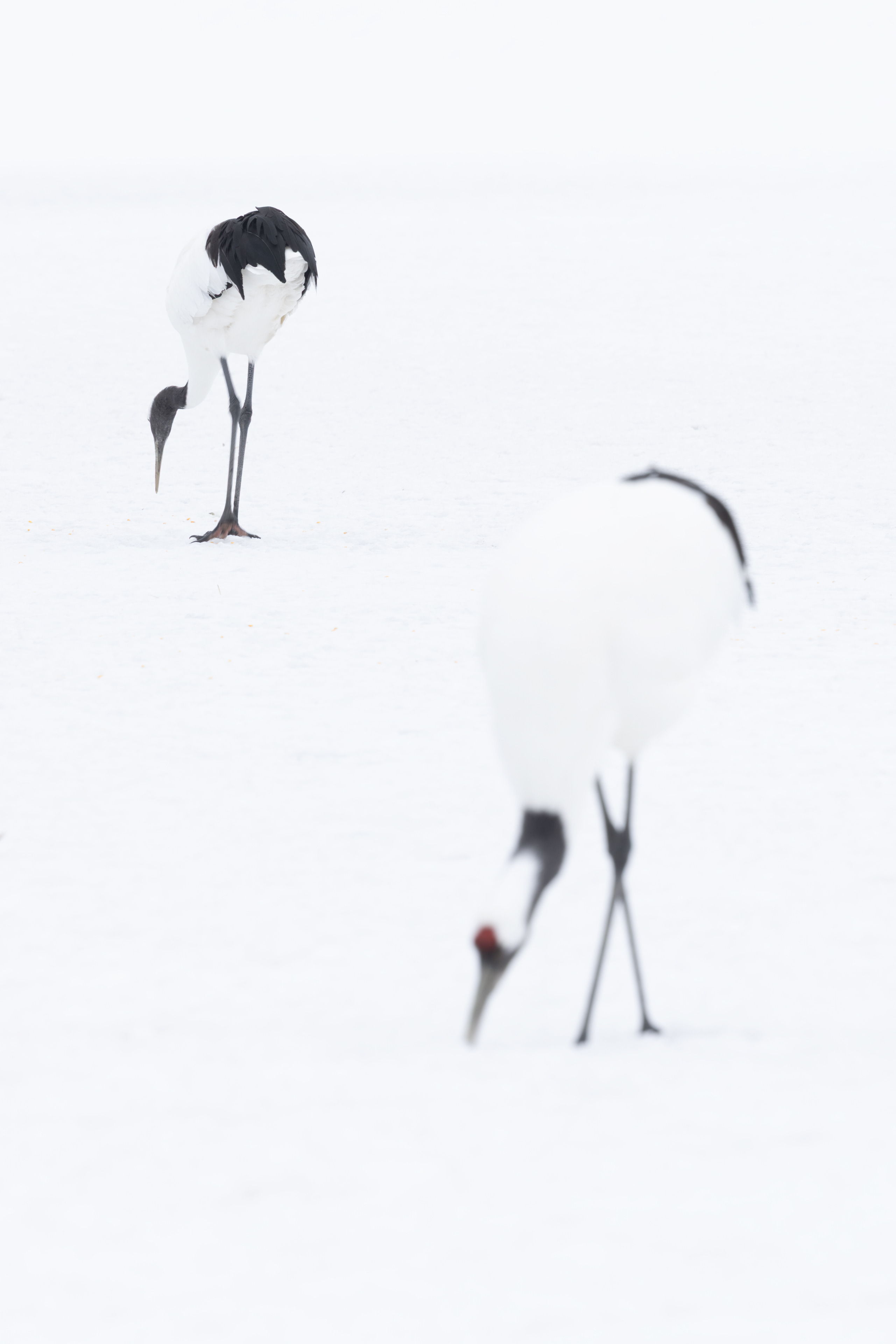
The contrast creates a tension between recognition and uncertainty.
A symmetry, yet not quite!
We know that another bird is there, yet we cannot experience both subjects in the same way. One commands attention through its clarity. The other becomes an impression, something we perceive without fully resolving.
I find this relationship more interesting than a photograph in which both birds are rendered with equal clarity.
The difference creates a visual dialogue between presence and absence, between what is immediately available to the eye and what remains just beyond its grasp.
It also reminds me that the photographic frame is never a neutral window onto reality.
Focus, depth of field, perspective and timing all influence what becomes prominent and what recedes. Even when I am photographing an entirely natural moment, the resulting image reflects a series of choices.
The photograph is a record of what was there, but it is also a particular way of experiencing it.
Emergence: when the environment becomes the subject
In Emergence, deer appear within a landscape of frost-covered branches and drifting fog.
The scene is not built around the immediate recognition of the animals. Instead, the surrounding woodland initially dominates the experience. Branches, tonal variations and mist create layers through which the deer gradually become visible.
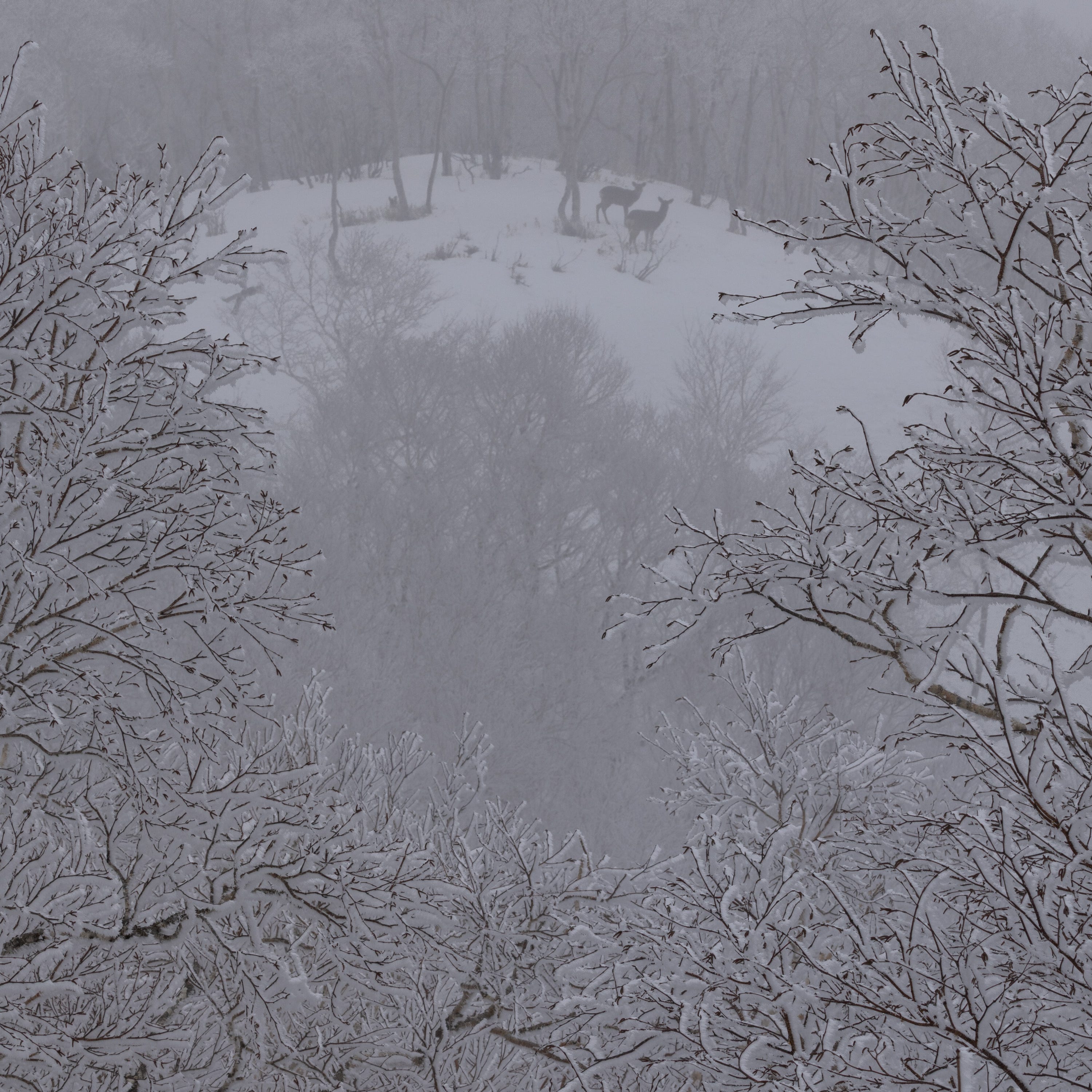
The longer I look at the photograph, the more the relationship between subject and environment interests me.
The deer are not isolated from their surroundings. Their presence is inseparable from the atmosphere that partially conceals them.
This is another reason I have become increasingly interested in negative space and restrained compositions.
What we leave unresolved can be as important as what we reveal.
A photograph does not always need to announce its subject immediately. Sometimes, allowing the viewer to discover it creates a more engaging experience.
It introduces time into the act of looking.
The viewer has to pause, search and establish relationships within the frame.
And perhaps, in doing so, begins to experience the landscape a little differently.
Winter Calligraphy: when technique becomes expression
Of all the directions I explored, intentional motion blur has perhaps offered the clearest example of technique becoming a creative language.
In Winter Calligraphy, the movement of a bird is transformed into a flowing gesture against a pale winter background.
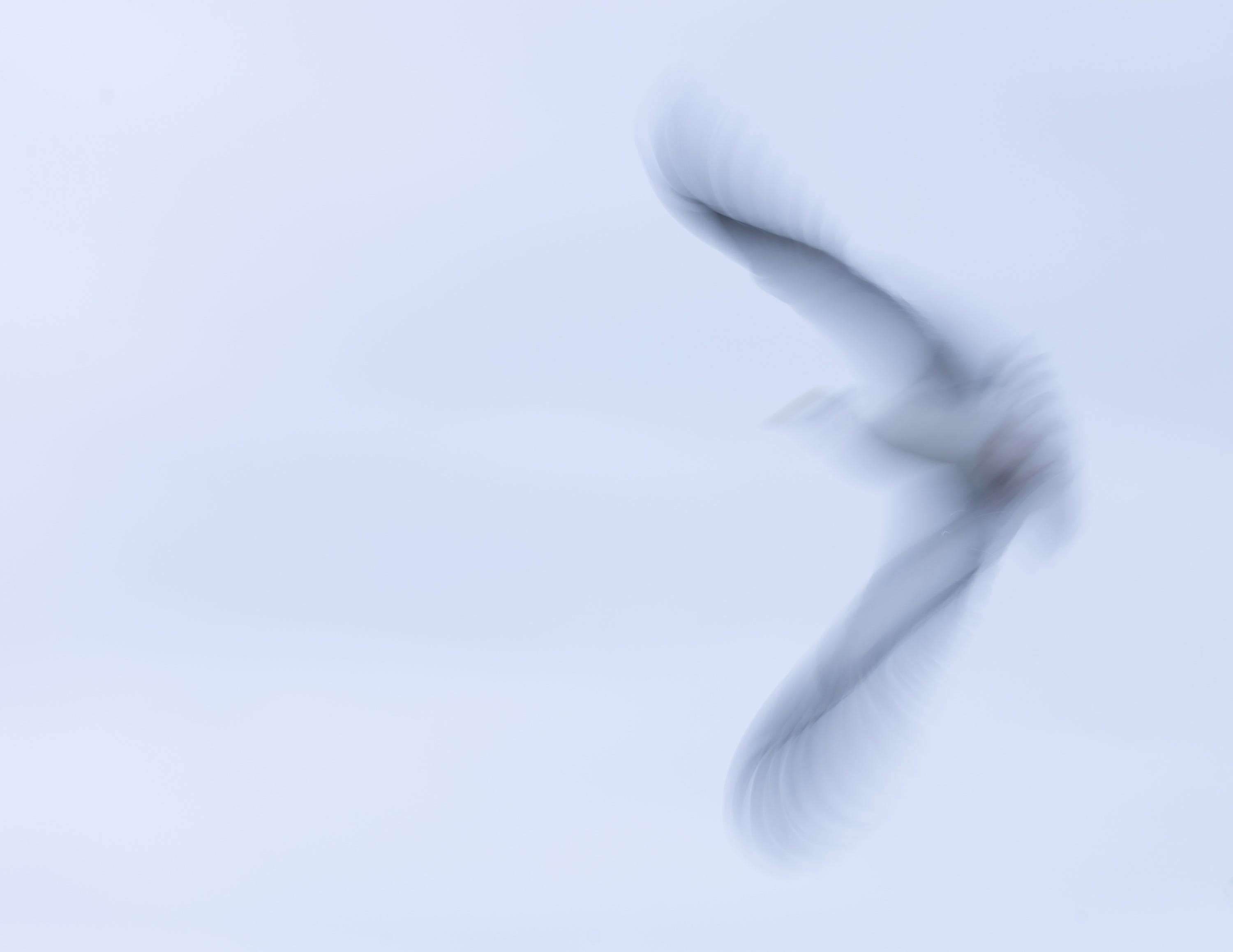
The resulting form is not intended to describe every feather or preserve the conventional sharpness expected of a wildlife photograph. Instead, the movement itself becomes the subject.
The bird leaves behind an impression, almost like a brushstroke across an otherwise quiet canvas.
This is where I find the relationship between technology and art particularly fascinating.
Shutter speed is a technical parameter. Motion blur is a physical consequence of how movement is recorded during an exposure.
But the expressive possibilities of that blur depend on intention.
A blurred photograph caused by an accident and a blurred photograph created to convey movement may share a technical characteristic, yet they do not necessarily share the same artistic purpose.
The difference lies in the decision behind the image.
I am not suggesting that every technical imperfection should be reclassified as art. Nor do I believe that abstraction automatically makes a photograph more meaningful.
What interests me is the freedom to choose a different visual outcome because it serves the story I want to tell.
Once I understand what a technique does, I can begin asking what else it might express.
That is when experimentation becomes more than an exercise.
It becomes a way of seeing.
Ghost of the North: the landscape completes the story
The red fox crossing the blue-toned snow offered another lesson.
Initially, the contrast between the warm colour of the fox and the cold blue landscape seemed to provide the photograph’s defining characteristic.
But as I spent more time studying the image, my attention shifted towards the snow.
The wind-shaped patterns across its surface created pathways through the frame. Subtle tonal differences established depth and direction. The lighter and darker areas guided the eye towards the fox.
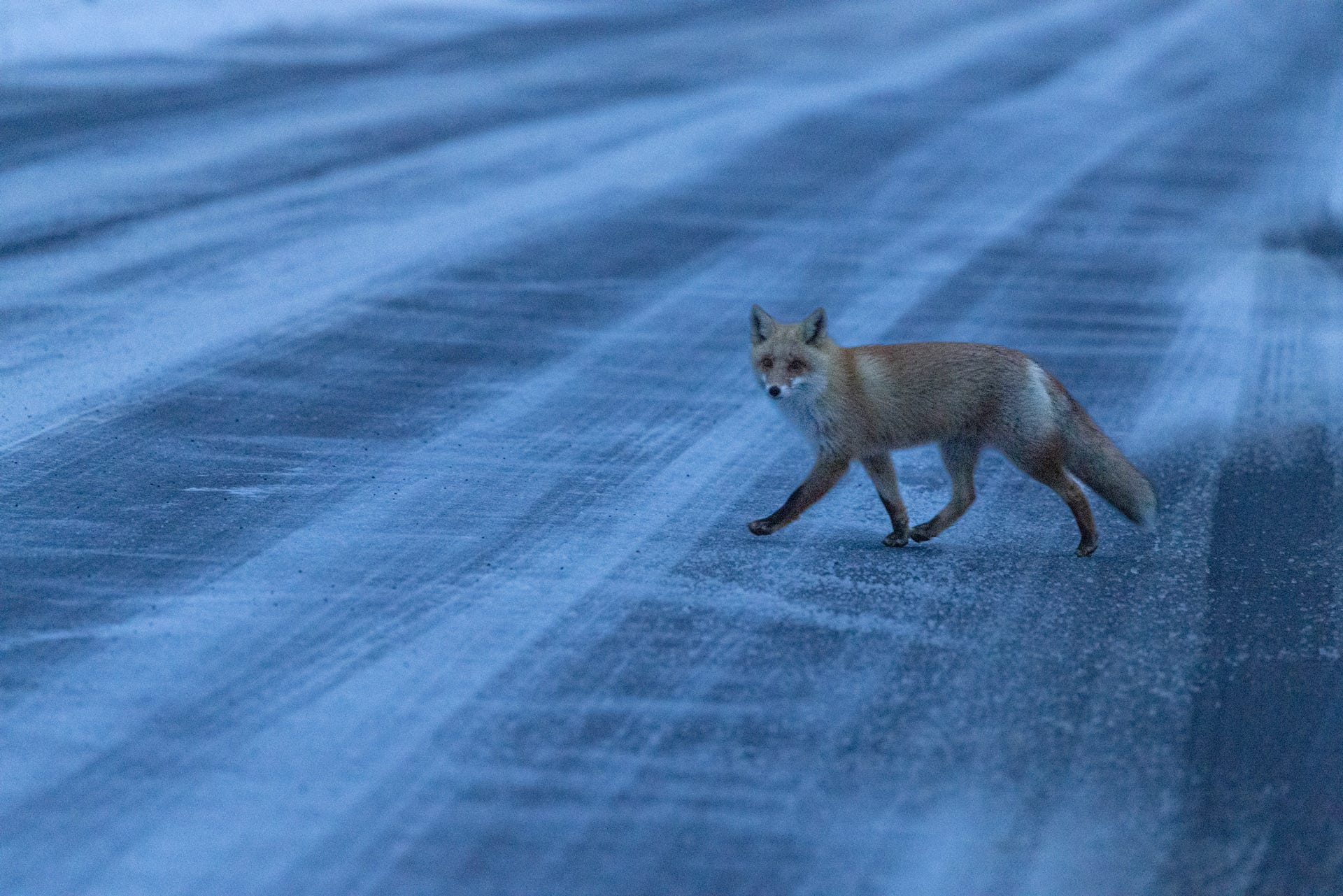
The snow was doing more than providing a background.
It was creating the composition.
I had explored this idea earlier in Vibrant Hokkaido, where I wrote about what I came to think of as Snow Luminance Control: preserving the tonal relationships that give winter landscapes their depth and character.
With Ghost of the North, that technical exploration became part of a broader artistic consideration.
The fox did not need to dominate the frame.
Its presence was enough to complete a visual arrangement that the landscape had already established.
This is an idea I want to carry forward into my photography: the most important element in a photograph is not necessarily the largest, sharpest or most visually striking one.
Sometimes, it is the element that brings everything else together.
The Watchers: turning the gaze around
Photography is often described as an act of observation. We look at the world, select a moment and decide how to frame it.
But what happens when the act of looking becomes part of the photograph itself?
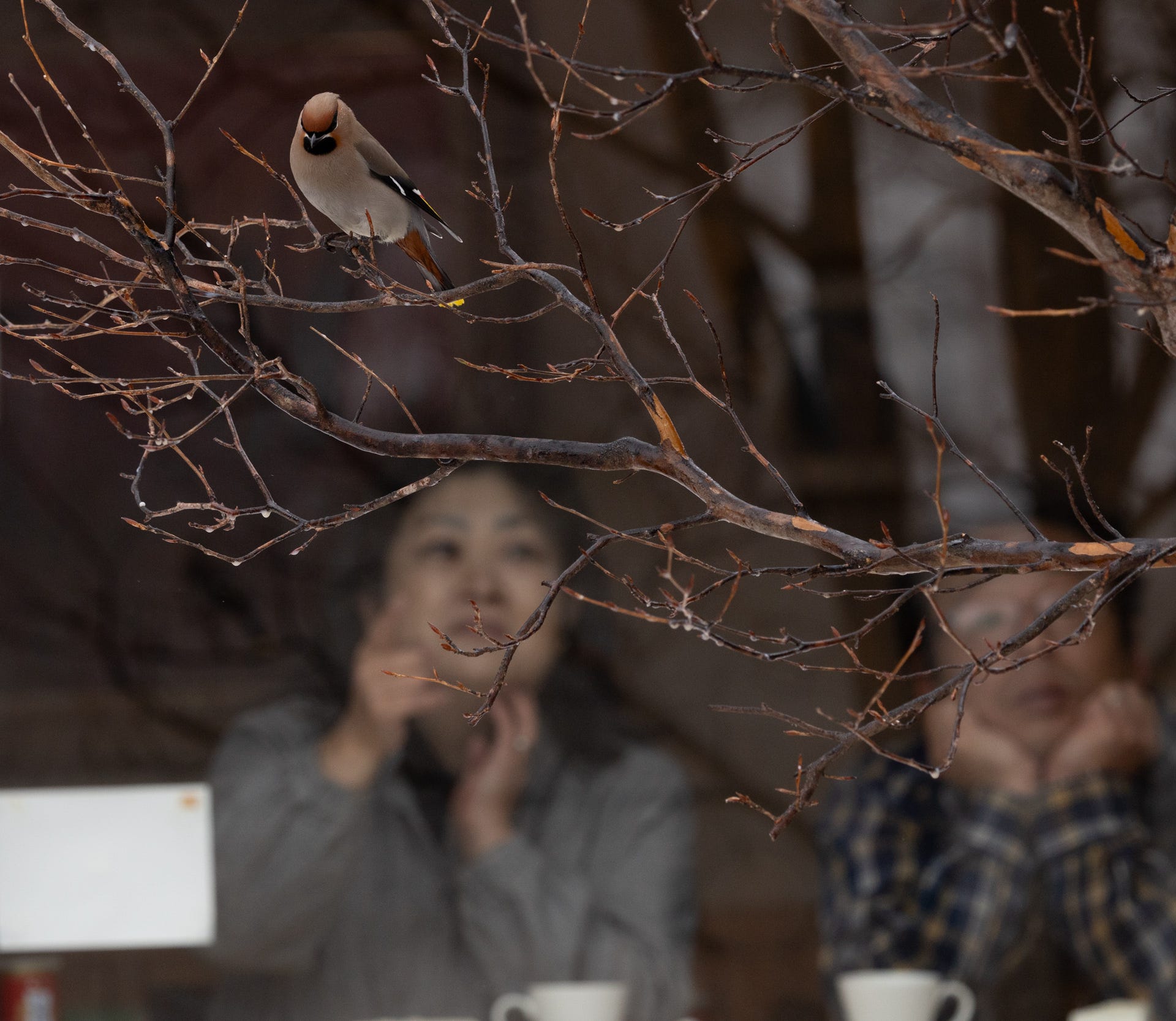
In The Watchers, the people observing wildlife become part of the visual narrative. Their attention, posture and relationship with the unseen subject tell a story that extends beyond the animal they have come to see.
The photograph becomes less about a single encounter with wildlife and more about the human desire to witness it.
We travel to remote places. We wait for encounters. We raise our cameras and try to preserve something of an experience that may last only a few seconds.
Yet the photograph can reveal more than the intended subject. It can reveal our own presence within the experience.
This has made me increasingly conscious of the relationship between the photographer, the subject and the eventual viewer.
Every photograph begins with someone looking.
Every frame includes certain things and excludes others.
And every viewer brings their own memories, assumptions and imagination to the finished image.
The photograph, in that sense, is never entirely complete when I press the shutter.
Its interpretation continues long after the moment has passed.
From photographs to stories
Looking back at these images, I can see that they do not all belong to the same visual style.
Some are minimalist. Some rely on atmospheric layers. Others explore fragmentation, movement or the relationship between humans and wildlife.
What connects them is not a common technique.
It is a common question.
Can I use photography to communicate not just what I saw, but how I experienced it?
That question has begun to change how I approach the entire process.
Earlier, I might have started with a technical objective: create a particular colour palette, experiment with monochrome, preserve the tonal detail in snow or achieve a specific depth of field.
I still value those objectives. They remain essential tools.
But increasingly, I want to begin with a feeling, a question or an idea.
I want to understand why a scene holds my attention before deciding how to photograph it. I want to explore whether a conventional portrait is the right response, or whether the subject might be better expressed through abstraction, negative space, movement or its relationship with the environment.
And I want to spend more time considering how individual photographs might relate to one another.
A single photograph can be compelling. A carefully considered sequence can create something different: a narrative that develops as the viewer moves from one image to the next.
This is where titles, sequencing and the relationships between photographs become important.
A title can direct attention without prescribing an interpretation. A sequence can introduce an idea, complicate it and eventually resolve it. A collection can become more than the sum of its individual images.
These are possibilities I am only beginning to explore seriously.
But they represent an exciting next step in my photographic journey.
Learning to break the rules
I often return to a simple thought:
Photography is where technology meets art.
Technology gives us the means to control the image. Art gives us reasons to make those choices.
Neither exists in isolation.
Without understanding the camera(tool), it can be difficult to translate an intention into a photograph. Without an artistic intention, technical mastery can become an end in itself.
For me, the challenge is to marrying two together.
I want to continue learning the technical foundations of photography, experimenting with equipment and understanding the science behind the images I make. But I also want to become more comfortable questioning familiar expectations.
Why must a wildlife portrait always be sharp?
Why must the subject dominate the frame?
Why should a landscape always convey depth in the conventional sense?
Why must a photograph explain everything it contains?
There are no universal answers to these questions, and I am not interested in breaking rules simply for the sake of doing so.
I want to understand the rules well enough to recognise when following them serves the image — and when departing from them might reveal something I would otherwise miss.
That, to me, is the difference between applying a technique and developing a personal visual language.
An ongoing journey
Art of Seeing is not a finished body of work, nor is it an attempt to define a single style of photography.
It is an evolving exploration of how I look at the world and how that experience might be translated into images.
Hokkaido provided the setting for many of these discoveries, but the questions extend well beyond Japan and winter wildlife. I want to explore them in other landscapes, with other subjects and under entirely different conditions.
I also want to continue bringing these photographs together as a coherent body of work — through essays, carefully sequenced series and, eventually, the possibility of an exhibition.
More importantly, I want to resist the temptation to settle too quickly into a familiar way of making images.
There will always be more techniques to learn, more equipment to understand and more ways to process a photograph. But I suspect the more interesting journey lies in discovering what to do with that knowledge.
Perhaps the next stage of photography is not about learning to control every aspect of the image.
Perhaps it is about knowing when to let the image become something unexpected.
I began this journey wanting to make better photographs.
I now find myself asking a different question:
What kind of stories can I tell through the way I see?
That is the question I hope to keep exploring.
And that is what Art of Seeing means to me.
Some more attempts which are yet to be fine tuned either by revisualing or reprocessing
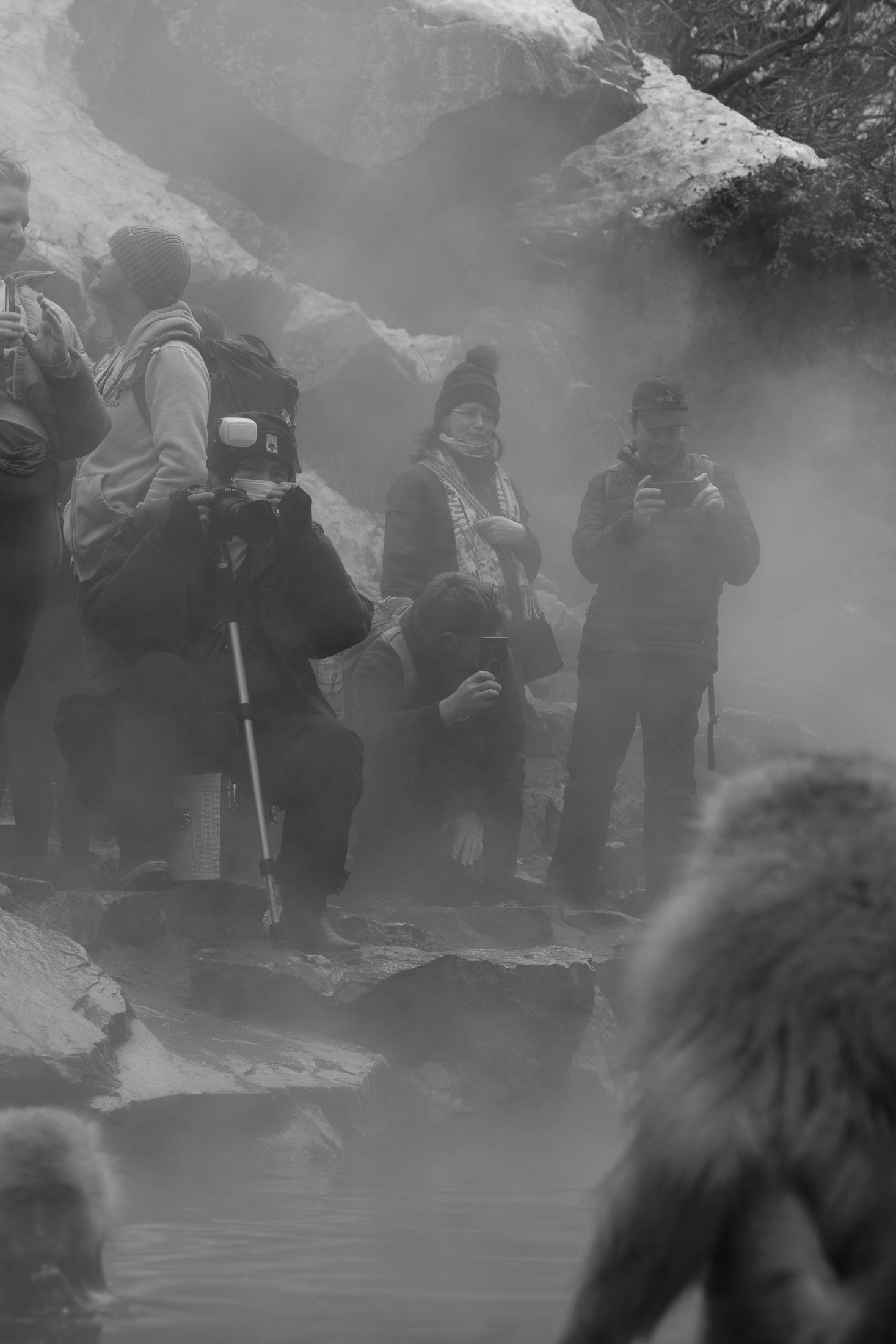
Witnesses, making the Snow monkey enjoying celebrity status with people around her with cameras, tripods or just simply amazed to watch her
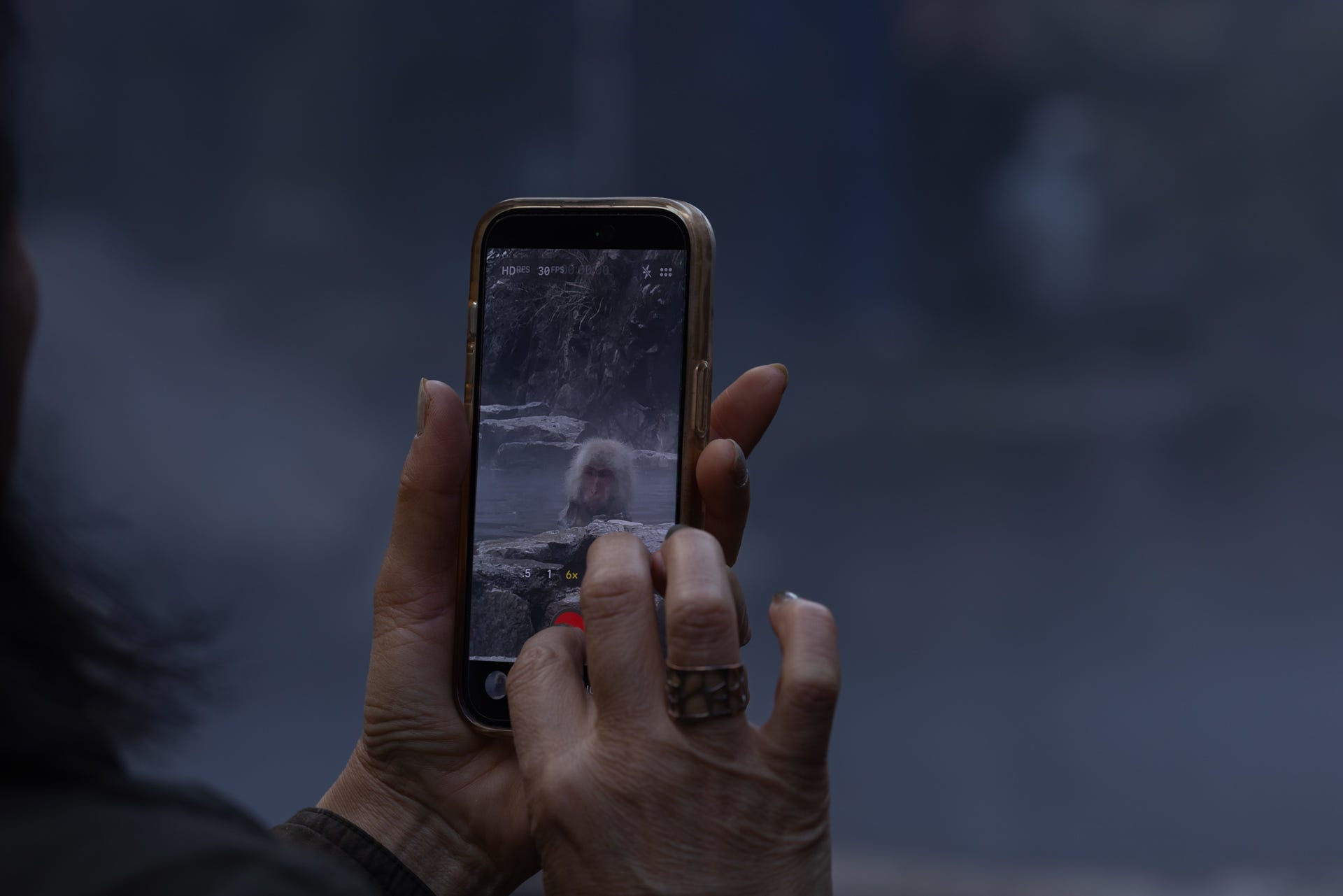
A celebrity, indeed!
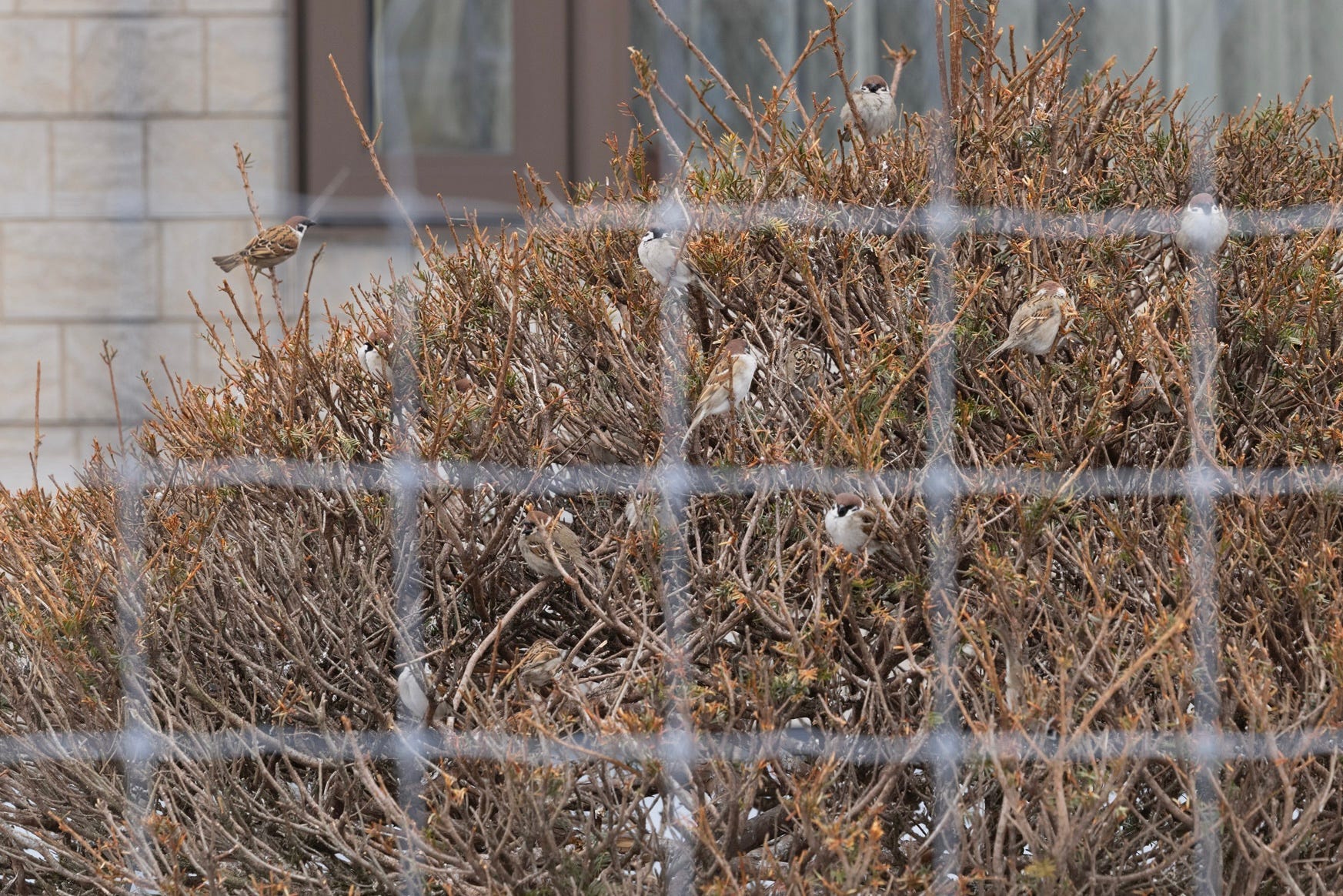
In between the line(s)..!