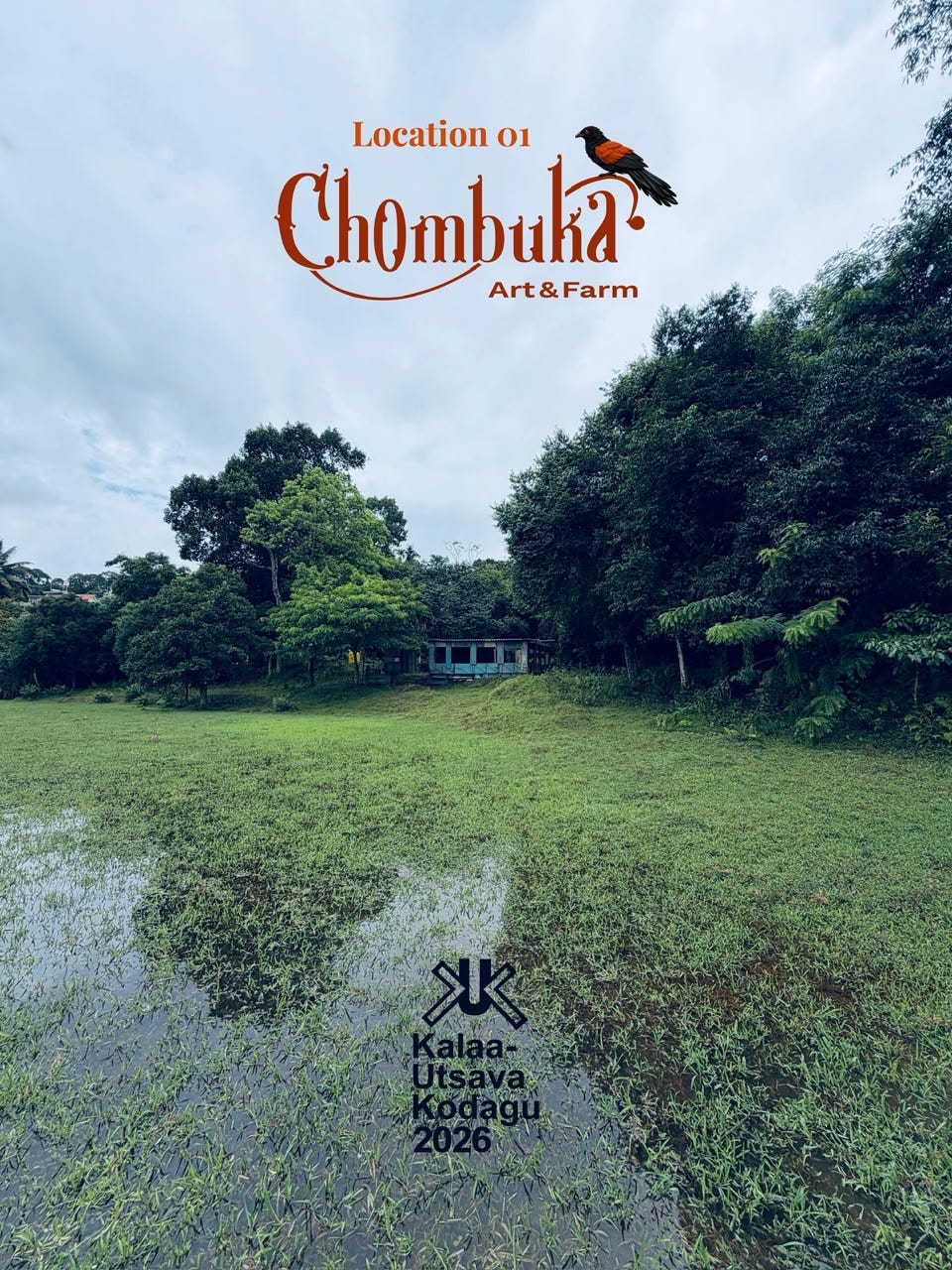
Kodagu is often spoken of through its landscapes. Its coffee plantations, mist-covered hills, forests, winding roads and beautiful homes are familiar images that have come to represent this part of Karnataka.
But there is another Kodagu that reveals itself when we slow down and look beyond the landscape.
It is found in its streets, neighbourhoods, homes and marketplaces. In the conversations that happen outside shops, the daily routines of people at work, the warmth of an unexpected smile, and the quiet moments that might otherwise pass unnoticed.
During my time in Virajpet, and exploring around Coorg, I found myself drawn to these everyday encounters. Not necessarily to extraordinary moments, but to ordinary ones that, when observed closely, begin to tell us something about a place and the people who inhabit it.
The town
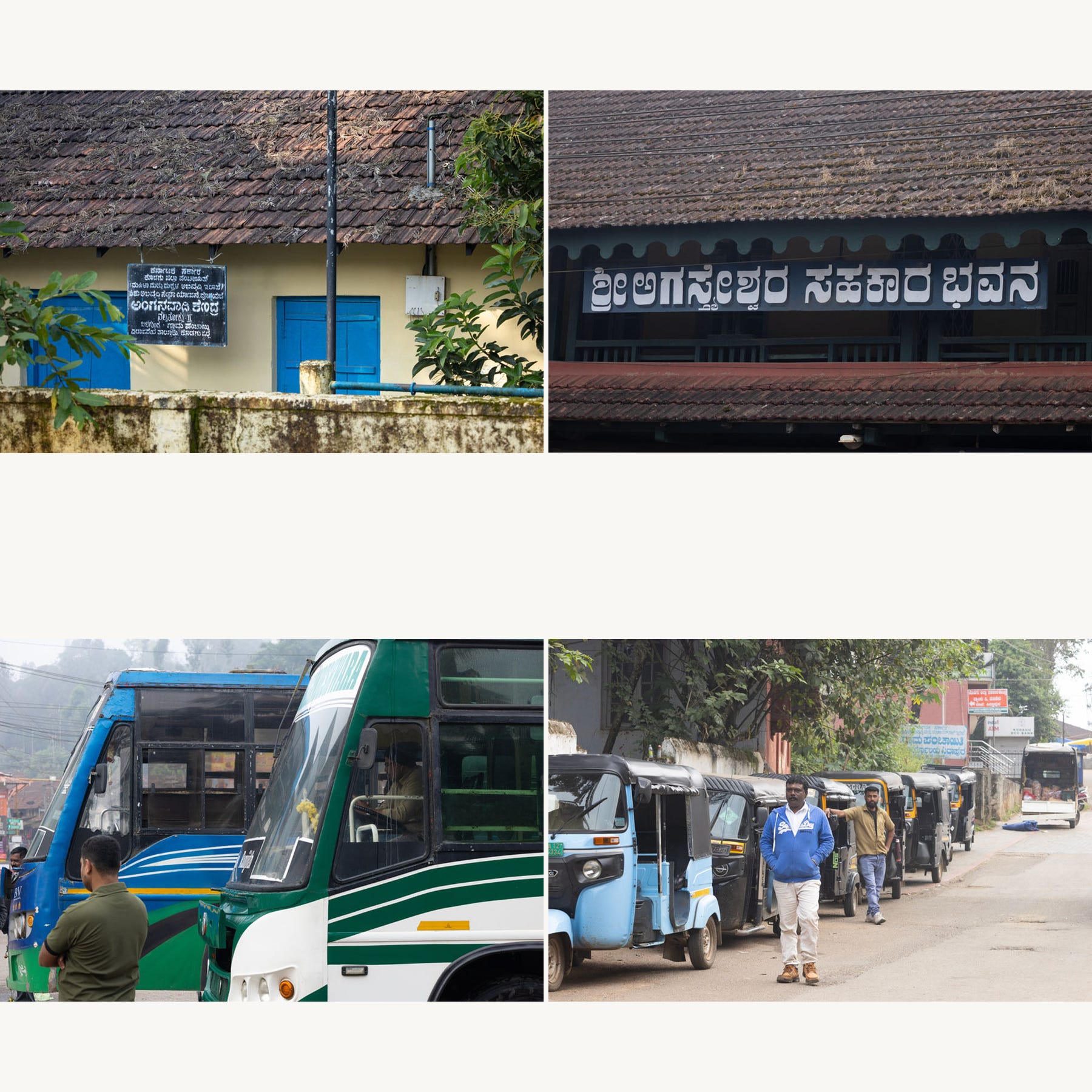
Every town has its own character. Sometimes it is found in its architecture, sometimes in its streets, and often in the little details we tend to overlook. Virajpet reveals itself gradually, through familiar corners and everyday movement.
People
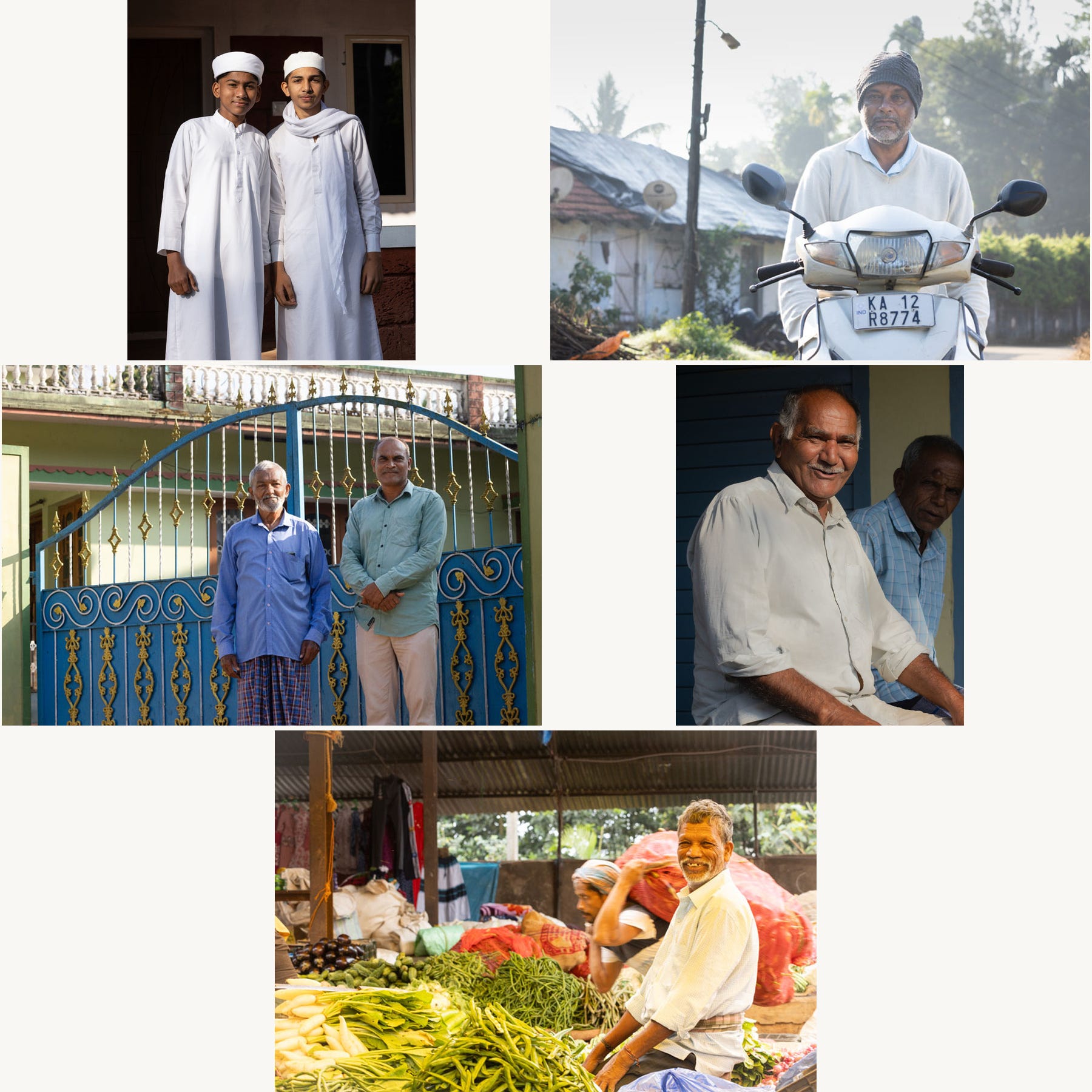
Perhaps the most beautiful way to understand a place is through its people. A glance, a smile, a fleeting expression or simply the willingness to pause for a photograph. Every face carries a story, even when we know very little about it.
At home
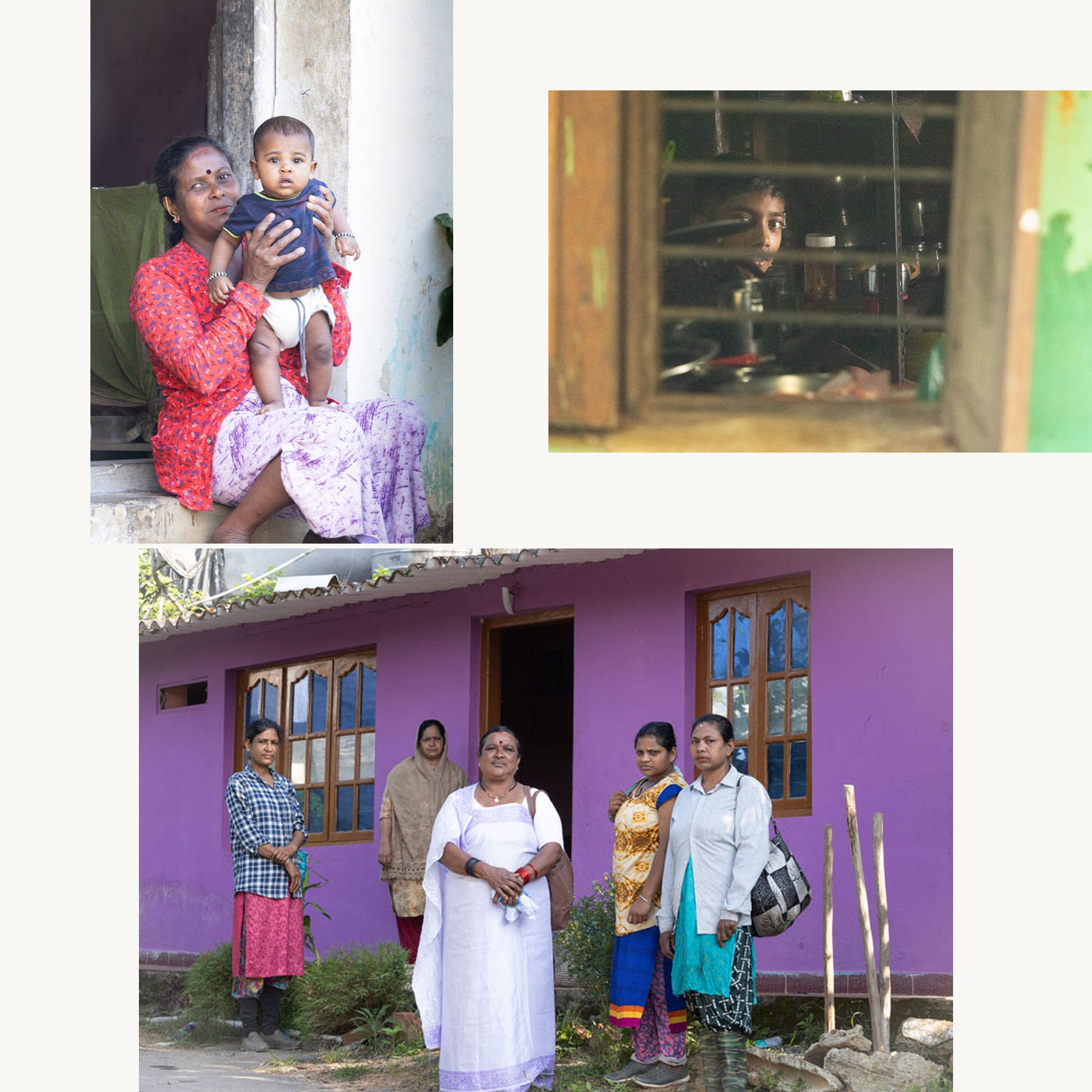
Beyond the streets and marketplaces are quieter moments of everyday life. Families, children, older generations and the familiar spaces they inhabit. These are intimate glimpses into lives that rarely find their way into photographs of a destination.
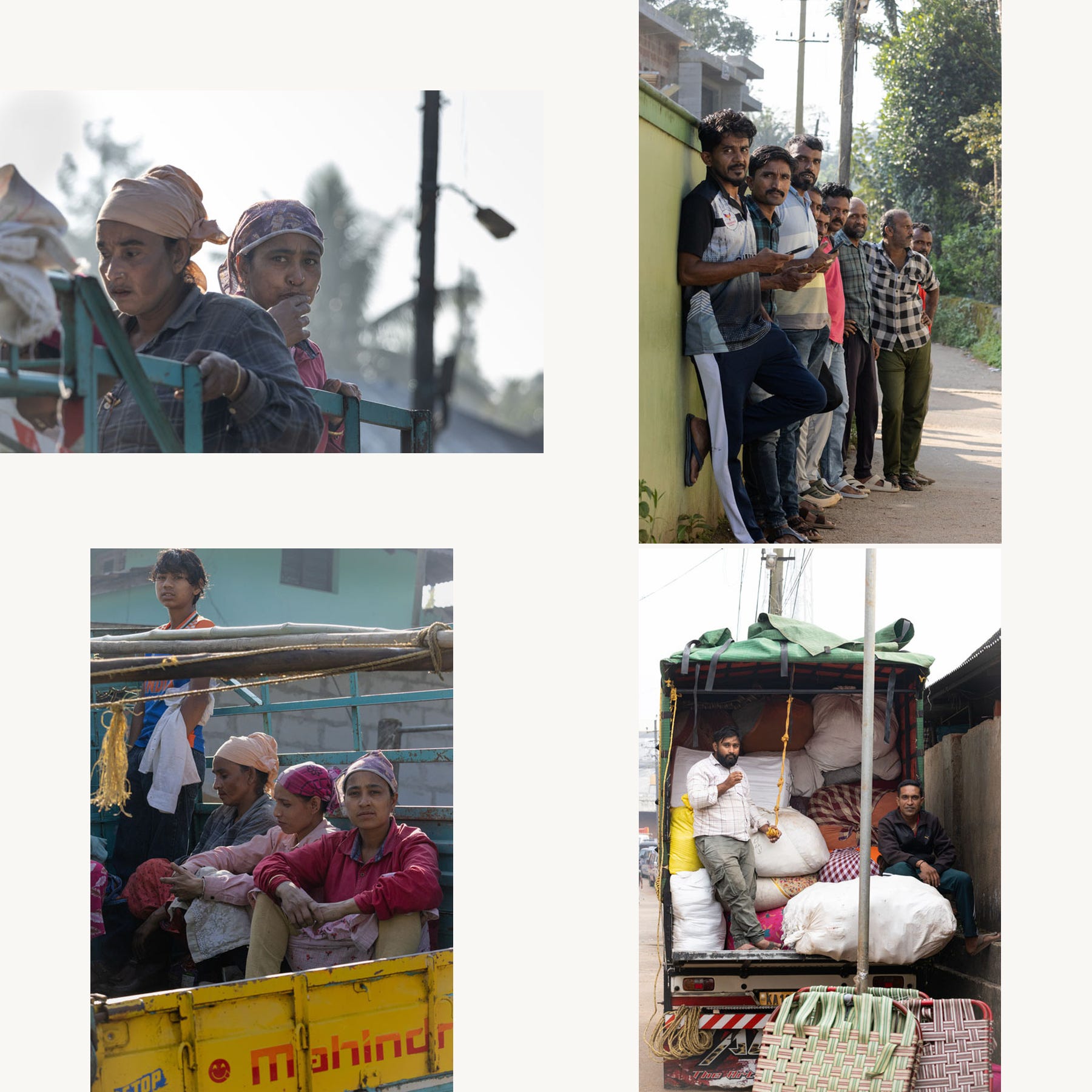
Work and movement
Much of a town’s rhythm comes from the people who keep it moving. Those who work, travel, carry, build, sell and contribute in ways that often go unnoticed. Their everyday routines are as much a part of Kodagu’s identity as its landscapes.
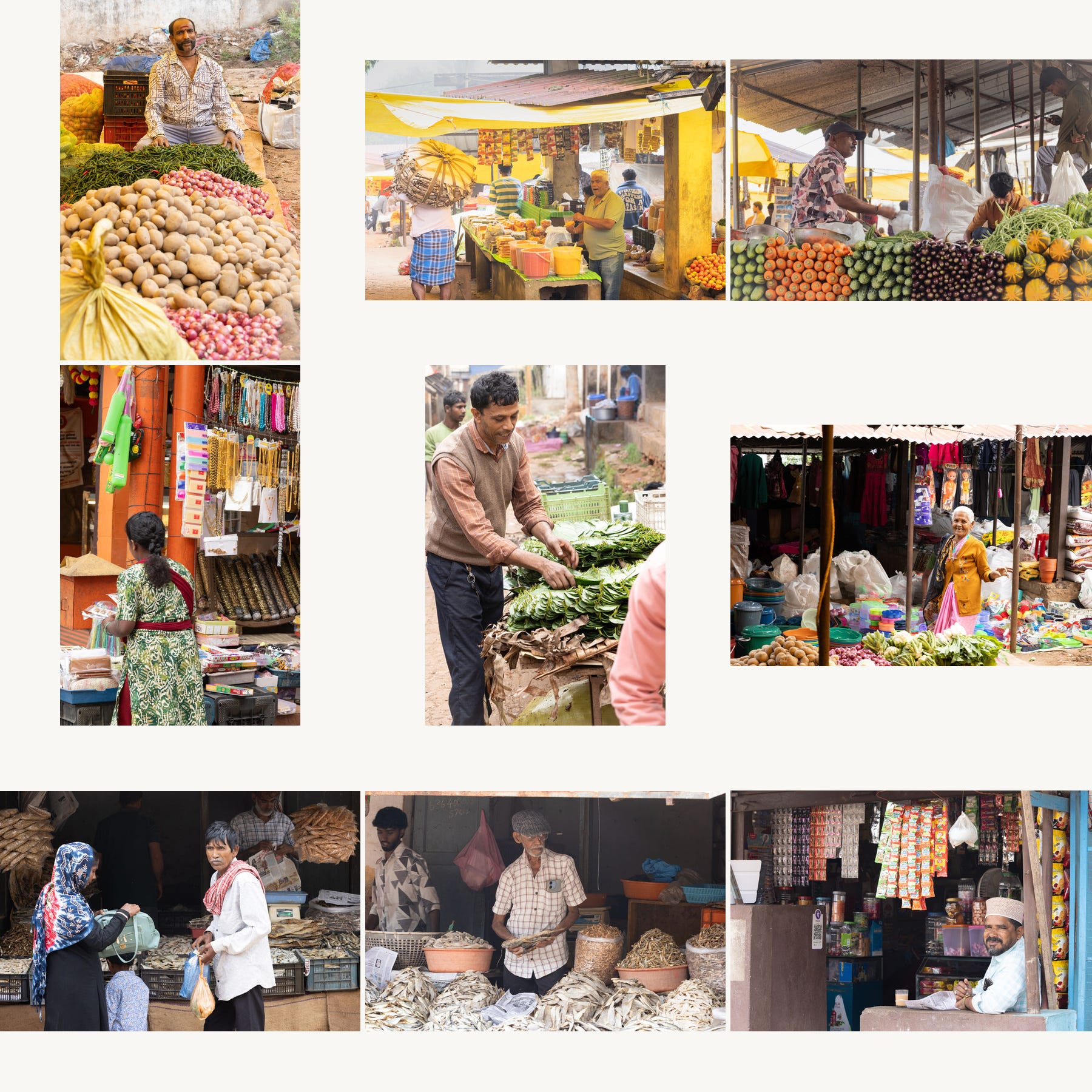
Market life
Markets have always fascinated me. They are lively meeting places where people, produce, conversations and livelihoods come together. There is an unmistakable rhythm here — a little chaotic, wonderfully colourful and full of life. Spend enough time in a market and you begin to see much more than a place of trade.
Shared spaces
What I find equally interesting about Kodagu is its diversity. Different communities, religious traditions, languages and ways of life exist alongside one another. This diversity is not always something that announces itself. Often, it is simply part of the everyday fabric of the place.
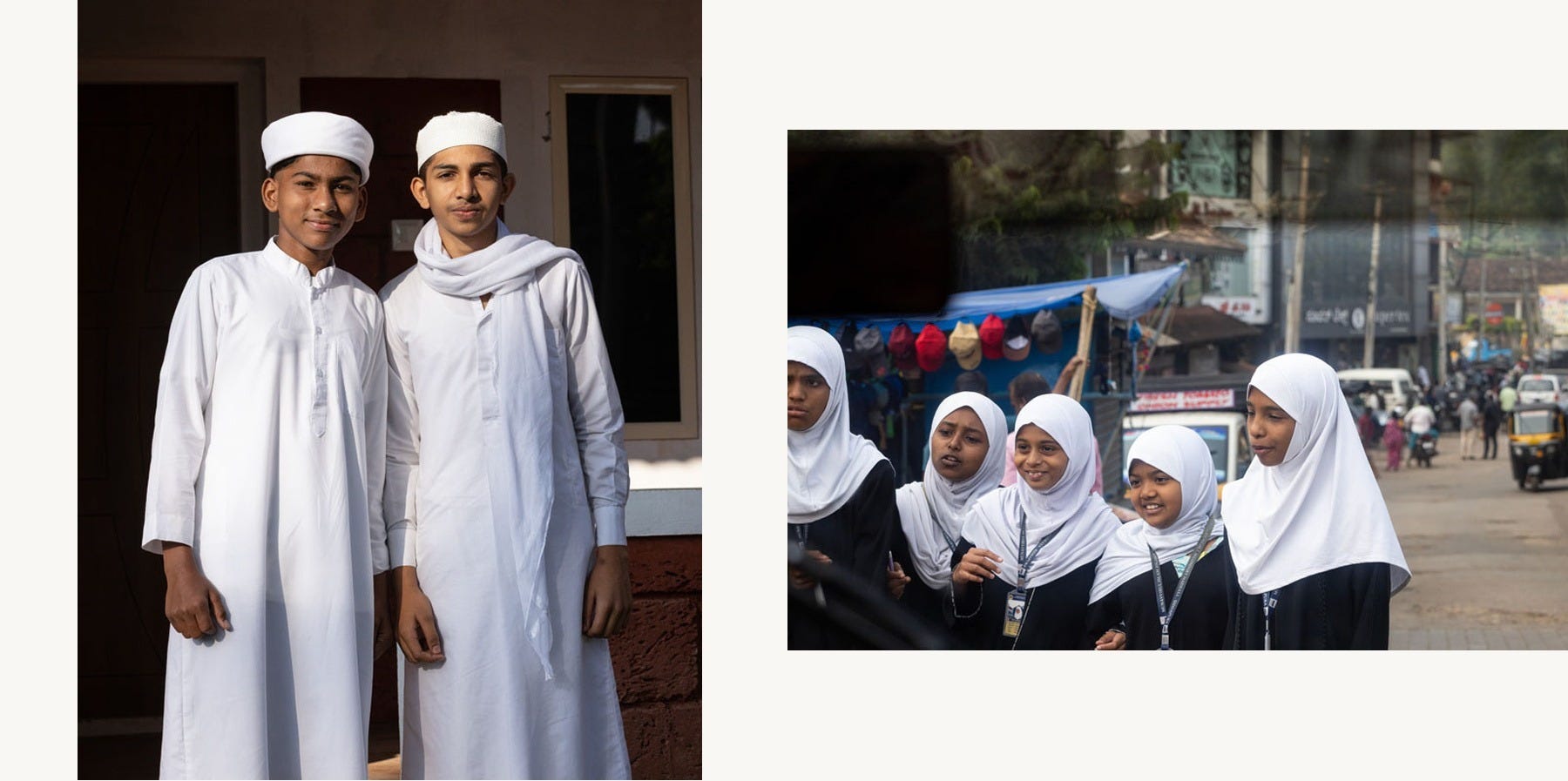
You see it in children going to school, families outside their homes, shopkeepers serving their customers and people sharing the same streets and neighbourhoods. Their lives may be very different, but the town brings them together in ways that are both ordinary and meaningful.
I don’t think a handful of photographs can explain this coexistence, nor should they attempt to. But they can offer glimpses of it. They can encourage us to look at the people around us with a little more curiosity and perhaps a little more understanding.
There is also something to be said about the pace of life here. Not everything seems to revolve around urgency. The marketplace has its own rhythm, conversations take their time, and everyday interactions often carry a warmth that is easy to miss when we are in a hurry.
Perhaps this is what drew me to these photographs in the first place. The small gestures, expressions and interactions that make up the texture of everyday life.
The title ಕೊಡಗಿನ ನಗು | Kodagu Smiles came from this feeling.
Not every photograph contains a smile, and that is intentional. A smile can be an expression, but it can also be a feeling associated with a place — its people, their openness, their resilience and the simple humanity of everyday encounters.
This collection is my attempt to explore that feeling through photography.
I am happy to have these photographs become part of Kalaa Utsava Kodagu 2026, the tenth edition of the art festival, bringing together different forms of artistic expression in Virajpet. The exhibition offers an opportunity to share these observations with people beyond the camera and perhaps invite them to see Kodagu through a slightly different lens.
If you happen to visit, I hope you will spend a little time with these photographs. Look beyond the faces and see the relationships between people and their surroundings, the details of everyday life and the many stories that coexist within a small town.
Because sometimes, to understand a place, we need to look beyond its landscapes.
We need to meet its people.
ಕೊಡಗಿನ ನಗು | Kodagu Smiles.
Kalaa Utsava Kodagu 2026
10th Edition | 11 November – 31 December 2026
Location 01: Chombuka Art & Farm, Virajpet, Kodagu, Karnataka.